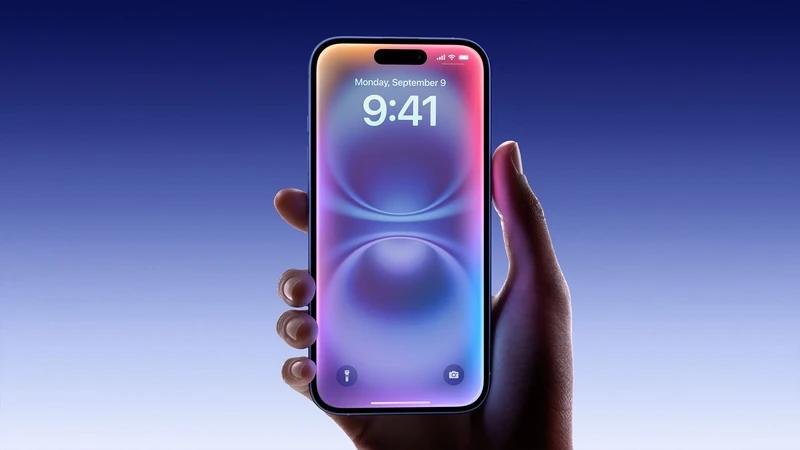
Apple and Google are teaming up in a way that would have seemed unthinkable a few years ago. The two tech giants have announced a partnership that will see Google's Gemini AI powering a revamped version of Siri. The deal is reportedly worth $1 billion per year, and it represents a fundamental shift in how Apple approaches artificial intelligence.
This is not just another licensing agreement. It is Apple acknowledging that when it comes to large language models, Google has built something that Apple cannot easily replicate. But it is also Apple maintaining control over the user experience, the branding, and the privacy standards that define its products.
The question is what this means for Siri, for Apple users, and for the broader AI landscape. After years of Siri lagging behind competitors like Google Assistant and Amazon's Alexa, is this the moment when Apple finally catches up?
The Deal: What We Know
The partnership was announced in January 2026, and the details are still emerging. But here is what we know so far. Apple will pay Google approximately $1 billion per year to use a 1.2 trillion parameter AI model that Google has developed. This model will handle advanced functions like information summarization and multi-step task execution.
As TechCrunch reported, Gemini will power Apple's AI features, including Siri. But Apple is not just taking Google's model and slapping Siri branding on it. The company will fine-tune Gemini independently, creating custom versions that align with Apple's design philosophy and privacy standards.
This is similar to how Apple uses Google as the default search engine in Safari. Apple maintains control over the user experience while leveraging Google's technology behind the scenes. Users will not see Gemini branding in Siri's responses. They will see Siri, powered by technology that happens to come from Google.
Why Apple Made This Move
Apple has been working on its own AI models for years. The company has invested heavily in machine learning research, and it has built impressive on-device AI capabilities. But building a large language model that can compete with Gemini or OpenAI's GPT models is a different challenge entirely.
Large language models require massive amounts of data, computing power, and engineering resources. Google has been working on this problem for years, and it has built infrastructure that Apple simply does not have. Rather than spending billions to catch up, Apple is choosing to partner with the company that has already solved the problem.
This is a pragmatic decision. Apple can focus on what it does best: hardware integration, user experience design, and privacy. Google can focus on what it does best: building and training massive AI models. The partnership allows both companies to play to their strengths.
But there is another factor at play here. Apple is under pressure to improve Siri. The assistant has been criticized for years for being less capable than its competitors. Users have complained about slow response times, limited understanding of context, and an inability to handle complex queries. If Apple wants to keep users in its ecosystem, it needs a better Siri.
What This Means for Siri
The integration of Gemini into Siri should bring significant improvements. Siri will be able to understand more complex queries, provide more accurate responses, and handle multi-step tasks that were previously impossible. The assistant should feel more conversational and less robotic.
According to reports, Apple will use Gemini for advanced features while continuing to use its own models for other Siri functions. This hybrid approach allows Apple to maintain control over core features while leveraging Google's technology for the most demanding tasks.
The improvements will roll out gradually. Some features are expected to debut at Apple's Worldwide Developers Conference in June 2026, with a broader rollout happening throughout the year. This phased approach is typical for Apple, which prefers to test new features carefully before making them widely available.
Privacy and Control
One of the biggest questions about this partnership is how it affects Apple's privacy standards. Apple has built its brand around privacy, and the company has been critical of Google's data collection practices in the past. How does partnering with Google align with Apple's privacy-first approach?
The answer appears to be that Apple is maintaining control. The company will fine-tune Gemini independently, which means it can control how the model processes data and what information it retains. Apple has also indicated that it will maintain its existing privacy standards, which means user data should still be processed in ways that align with Apple's privacy principles.
But this is still a partnership with Google, a company that makes money by collecting and analyzing user data. Apple will need to be transparent about how this partnership affects user privacy, and it will need to ensure that its privacy standards are not compromised by the use of Google's technology.
The Strategic Implications
This partnership is significant for several reasons. First, it shows that even the largest tech companies cannot do everything themselves. Apple, with its massive resources and engineering talent, is still choosing to partner rather than build from scratch. This suggests that the barriers to entry in the AI space are higher than many people realize.
Second, it represents a shift in how Apple thinks about partnerships. The company has historically been reluctant to depend on competitors for core technologies. But in AI, the landscape is moving so fast that building everything in-house might mean falling further behind. Partnering with Google allows Apple to catch up quickly while it continues to develop its own capabilities.
Third, it could reshape the competitive landscape. If Apple's Siri becomes significantly better thanks to Gemini, it could put pressure on other AI assistants to improve. Amazon's Alexa, Microsoft's Copilot, and other assistants will need to keep pace, which could accelerate innovation across the industry.
Market Reactions
The announcement has already had an impact on the stock market. As reports indicate, Google's stock price rose after the partnership was announced, reflecting investor optimism about the deal. Apple's stock also saw a slight increase, suggesting that investors see this as a positive development for both companies.
The $1 billion annual payment is significant, but it is a fraction of what Apple would need to spend to build a competing AI model from scratch. For Google, the deal represents a major validation of its AI technology and a substantial revenue stream. Both companies appear to benefit from the arrangement.
What Users Can Expect
For Apple users, the partnership should mean a better Siri experience. The assistant should be more capable, more responsive, and more useful. But the improvements will not happen overnight. The integration is complex, and Apple will need time to fine-tune the experience.
Users should also expect that Siri will continue to feel like Siri. Apple is not replacing its assistant with Google's technology. It is enhancing Siri with Google's AI capabilities while maintaining Apple's design language and user experience. The goal is to make Siri better without making it feel like a different product.
There may also be new features that were not possible before. With Gemini's advanced capabilities, Siri could handle more complex queries, provide more detailed responses, and execute more sophisticated tasks. The assistant could become a more central part of how people interact with their Apple devices.
The Long-Term Outlook
This partnership is a multi-year agreement, which suggests that both companies see it as a long-term strategic move. Apple is not just testing the waters with Google's AI. It is committing to a partnership that will shape how Siri evolves over the coming years.
But Apple is also continuing to invest in its own AI research. The company is not abandoning its efforts to build proprietary AI models. Instead, it is using Google's technology as a bridge while it continues to develop its own capabilities. This suggests that Apple may eventually transition away from Google's technology, but that transition is likely years away.
For now, the partnership represents Apple's best path forward. It allows the company to improve Siri quickly while maintaining control over the user experience. It leverages Google's expertise without compromising Apple's brand or privacy standards. And it gives Apple time to continue developing its own AI capabilities.
The Bottom Line
The Apple-Google AI partnership is a significant development in the tech industry. It shows that even the largest companies need to collaborate to compete in the AI space. It represents a pragmatic approach from Apple, which is choosing to partner rather than fall further behind.
For users, the partnership should mean a better Siri experience. The assistant will be more capable, more responsive, and more useful. But the improvements will take time to roll out, and Apple will need to ensure that the partnership does not compromise its privacy standards.
The $1 billion annual price tag is substantial, but it is a fraction of what Apple would need to spend to build competing technology. For Google, the deal represents a major validation of its AI capabilities and a significant revenue stream. Both companies appear to benefit from the arrangement.
What remains to be seen is how this partnership evolves over time. Will Apple eventually build its own competing AI model? Will the partnership expand to include other Apple products? How will this affect the competitive landscape in the AI space?
These questions will be answered in the coming years. But for now, the partnership represents a significant step forward for Siri and for Apple's AI ambitions. It is a pragmatic solution to a complex problem, and it could reshape how we think about AI partnerships in the tech industry.